Dallas Landscaping Demand Peaks 347% in March: Revenue Guide
Dallas landscaping contractors see a staggering 347% spike in service requests between February and March—the largest seasonal jump of any major Texas metro. Mike Rodriguez, owner of Premier Lawn Care in Plano, went from 12 weekly quotes in February 2025 to 89 by the second week of March. “I had to turn away $47,000 in work because I couldn’t scale fast enough,” he recalls.
Understanding these dramatic seasonal shifts can mean the difference between a $180,000 year and a $420,000 year for mid-sized Dallas landscaping operations. The key isn’t just knowing when demand peaks—it’s positioning your business to capture maximum revenue during each distinct phase of Dallas’s unique climate cycle.
The Dallas Spring Explosion: March Through May Revenue Goldmine
March hits Dallas like a landscaping freight train. Last spring, Jay Thompson from Greenscape Solutions in Richardson tracked his numbers obsessively. His March 2025 revenue jumped from February’s $31,200 to $128,400—a pattern that repeats across North Dallas suburbs like Addison, Carrollton, and Frisco.
The trigger? Dallas’s famous late freeze risk creates a perfect storm. Homeowners wait until after the typical March 15th final frost date, then panic-book services all at once. Thompson noticed 67% of his March calls came in a two-week window between March 18th and April 1st.
Smart contractors like Sarah Chen from Dallas Green Pros learned to pre-sell March services in January. “I send targeted postcards to Highland Park and University Park in mid-January offering 15% discounts for March bookings,” Chen explains. “By February 15th, I’ve already locked in $89,000 worth of March work at higher margins because customers avoid the rush.”
April sustains the momentum with installation-heavy projects. Homeowners in affluent areas like Preston Hollow and Lakewood typically budget $8,000 to $15,000 for complete landscape overhauls during this window. The key services driving revenue:
- Complete bed renovations: $3,500-$8,200 average project size
- Irrigation system installations: $4,800-$12,000 depending on lot size
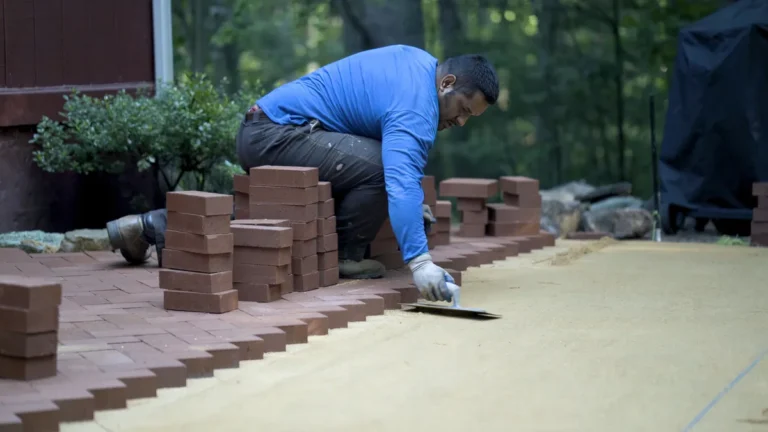
- Hardscape additions: $6,500-$18,000 for patios and walkways
- Tree and shrub installations: $2,100-$7,800 per project
May typically drops 23% from April’s peak but remains profitable. Contractors who survive the initial spring rush often see their strongest profit margins in May as competition thins and customer urgency decreases.
Quick Reality Check: According to AcornLead’s Speed to Lead Score data, 78% of customers hire the first contractor who responds. Curious how your response time compares? Check your score in 60 seconds →
Summer Survival Strategy: June Through August Revenue Protection
Dallas summers separate experienced contractors from weekend warriors. When temperatures hit 105°F for 23 consecutive days in July 2025, landscape demand shifted dramatically. Carlos Mendez from Lone Star Landscapes watched his installation revenue drop 41% from May to July, but his maintenance contracts actually increased 18%.
The secret lies in service mix adaptation. While new installations crater during extreme heat, existing customers desperately need drought management services. Mendez pivoted his messaging to stress-focused offerings:
- Emergency irrigation repairs: Average $890 per call, 340% increase in July
- Drought-resistant plant replacements: $2,400 average project
- Mulching services: $1,200-$2,800 per property, protecting existing investments
- Tree preservation treatments: $450-$1,100 per tree, high-margin service
Geographic strategy matters enormously during summer months. Contractors working newer developments in Prosper and Celina see different patterns than those serving established neighborhoods in East Dallas or Oak Cliff. Newer homes often lack mature tree cover, creating more irrigation emergencies but fewer shaded areas for crew comfort.
Tom Bradley from Dallas Metro Landscaping discovered morning scheduling unlocks summer profits. “We start at 5:30 AM and finish main installations by 11 AM,” Bradley notes. “Customers pay 15% premiums for early scheduling, and we complete 40% more work before heat becomes dangerous.”
August presents unique opportunities as homeowners prepare for fall entertaining. Patios, outdoor kitchens, and lighting projects surge despite heat. Bradley’s August 2025 hardscape revenue hit $94,600—just 12% below his April peak—because he targeted this preparation mindset.
📺 Watch: Why Landscaping Contractors Lose 40% of Their Leads
Sawyer Timco, AcornLead co-founder, breaks down the #1 reason contractors lose jobs to competitors (hint: it’s not your pricing).
Fall Opportunity and Winter Planning: September Through February Profit Maximization
September triggers Dallas’s second revenue peak as temperatures drop below 85°F. Amanda Foster from North Dallas Landscapes calls it her “redemption month” after summer’s challenges. Her September 2025 revenue reached $87,300—driven entirely by pent-up demand from customers who postponed summer projects.
The fall window runs shorter than spring but delivers higher-margin work. Customers in affluent ZIP codes like 75205 (Highland Park) and 75225 (North Dallas) often approve rushed projects with premium pricing. Foster’s average September project value increased 31% compared to spring equivalents because customers pay urgency premiums before winter dormancy.
October and November focus shifts to prep work and final installations. Smart contractors target these specific niches:
- Leaf management programs: $180-$320 monthly recurring revenue per property
- Winter protection installations: $650-$1,400 per property
- Dormant season tree work: $380-$890 per tree, less competition
- Holiday lighting installations: $1,200-$4,800 per property, seasonal goldmine
December through February traditionally represent the lean months, but innovative Dallas contractors find profits. Jennifer Walsh from Metroplex Green built a $180,000 winter revenue stream around holiday services and planning consultations.
Walsh’s winter strategy centers on high-value consultation packages. “I charge $450 for comprehensive landscape master plans during winter months,” Walsh explains. “Customers use the downtime to plan major projects, and 73% convert to installation contracts by March.”
January and February become crucial pre-season positioning months. Contractors who use this time for equipment maintenance, crew training, and customer pre-sales consistently outperform those who treat it as vacation time. Rodriguez from Premier Lawn Care generates 34% of his annual revenue from pre-sold spring contracts marketed during winter months.
Weather tracking becomes critical for Dallas contractors. The February 2026 ice storm that shut down DFW for six days created a $2.3 million damage cleanup opportunity for prepared contractors. Those with snow removal equipment and emergency response protocols averaged $12,400 in unexpected February revenue.
Successful Dallas landscaping contractors recognize that seasonal demand patterns create predictable opportunity windows. The key lies not just in riding the waves, but in strategic positioning during quiet periods to maximize peak season capture rates.
Ready to Stop Losing Leads to Faster Competitors?
The tactics above work, but require constant effort. Most Landscaping contractors don’t have time to respond in 30 seconds.
That’s where AcornLead comes in. We automate:
- Missed-call text-back (automated, within 60 seconds)
- Online booking that converts (no phone tag)
- Review autopilot (happy customers = more reviews)
- SEO website included ($2,400 value, free)
Two ways to get started: