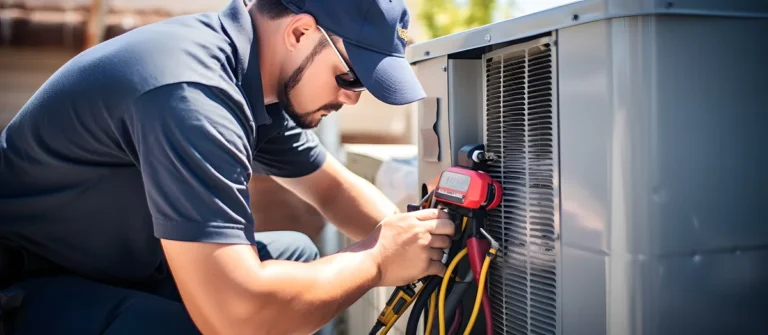
Austin HVAC Customer Expectations: What Locals Really Want
Austin homeowners have specific expectations when their AC fails during those brutal 105-degree summer days or when their heater gives out during an unexpected freeze. Understanding these local expectations isn’t just helpful for your HVAC business – it’s critical for survival in one of Texas’s most competitive markets. From Cedar Park to South Austin, customers are getting more demanding, more informed, and less patient than ever before. Here’s what they really expect from their HVAC contractor.
Lightning-Fast Response Times (Especially During Austin’s Extreme Weather)
Austin’s weather is notorious for its extremes. When temperatures soar above 100 degrees for weeks straight or when a rare ice storm hits like the one in 2021, HVAC emergencies become life-threatening situations. Austin homeowners expect immediate responses – not tomorrow, not in a few hours, but within minutes of their initial call or online inquiry.
The challenge for HVAC contractors is that everyone’s calling at the same time during these peak emergency periods. Your customers in neighborhoods like Westlake, Round Rock, or East Austin don’t care that you’re overwhelmed. They expect acknowledgment of their emergency within 30 minutes maximum, with a clear timeline for when help will arrive. Those who can’t meet this expectation quickly lose customers to competitors who can respond faster.
Quick Reality Check: According to AcornLead’s Speed to Lead Score data, 78% of customers hire the first contractor who responds. Curious how your response time compares? Check your score in 60 seconds →
Transparent Pricing That Accounts for Austin’s Market Realities
Austin homeowners are well-educated consumers who research everything online before making decisions. They expect upfront, transparent pricing that reflects the realities of the local market – including higher labor costs due to Austin’s booming economy and the challenges of working in Texas heat. Hidden fees or surprise charges will instantly damage your reputation in a city where online reviews can make or break your business.
Customers also expect you to understand Austin-specific factors that affect pricing. They know that accessing HVAC systems in older homes in neighborhoods like Hyde Park or Tarrytown can be more complex. They understand that newer developments in areas like Mueller or The Domain might have different requirements. What they won’t tolerate is feeling like they’re being taken advantage of or charged arbitrary fees without clear explanations.
📺 Watch: Why HVAC Contractors Lose 40% of Their Leads
Sawyer Timco, AcornLead co-founder, breaks down the #1 reason contractors lose jobs to competitors (hint: it’s not your pricing).
Local Expertise and Energy Efficiency Knowledge
Austin residents are environmentally conscious and cost-aware, especially with Austin Energy’s rebate programs and the city’s focus on sustainability. They expect their HVAC contractor to be knowledgeable about local energy efficiency incentives, Austin Energy’s rebate programs, and how to optimize systems for Austin’s specific climate challenges. This includes understanding the impact of Austin’s high humidity, intense UV exposure, and dramatic temperature swings.
Customers also expect you to understand local building codes, HOA requirements in neighborhoods like Steiner Ranch or Lakeway, and the unique challenges of Austin’s mixed housing stock – from historic bungalows in South Austin to modern high-rises downtown. They want recommendations that make sense for their specific situation and neighborhood, not generic solutions that might work anywhere in Texas.
Ready to Stop Losing Leads to Faster Competitors?
The tactics above work, but require constant effort. Most HVAC contractors don’t have time to respond in 30 seconds.
That’s where AcornLead comes in. We automate:
- Missed-call text-back (automated, within 60 seconds)
- Online booking that converts (no phone tag)
- Review autopilot (happy customers = more reviews)
- SEO website included ($2,400 value, free)
Two ways to get started: